Beyond the Canals: Venice’s Car-Free Reality vs. Northern Italy’s Climate Crisis
In our nomadic life around the globe we used so many different means of transportation, according to the situation present. Living a month in Venice at the very beginning of our journey showed me that a life without a car can be the norm for everyone. Venice is proof that using a car to commute isn’t necessary, obviously it’s not possible there and locals mostly walk. I’m not arguing no one should have a car, I’m just saying we should be aware of our ecological footprint and be ready to embrace new ways of doing things. That winter in 2021, it didn’t rain enough and northern Italy experienced one of its worst droughts the following summer. 5 regions had to declare an emergency. It wasn’t only the missing rain in the Po river, the rising sea level pushed into the delta and salinated the river water. As a consequence many hectares of fields along the coast had to be abandoned because they were salinized. 2025’s wildfires in the EU are the worst on record. Climate change is real and it is affecting us all directly or indirectly more and more. I am therefore always interested in ways of transportation that reduce global warming.
Train, Bus, and the Darién Gap: Navigating Europe and Latin America on an Eco-Conscious Journey.
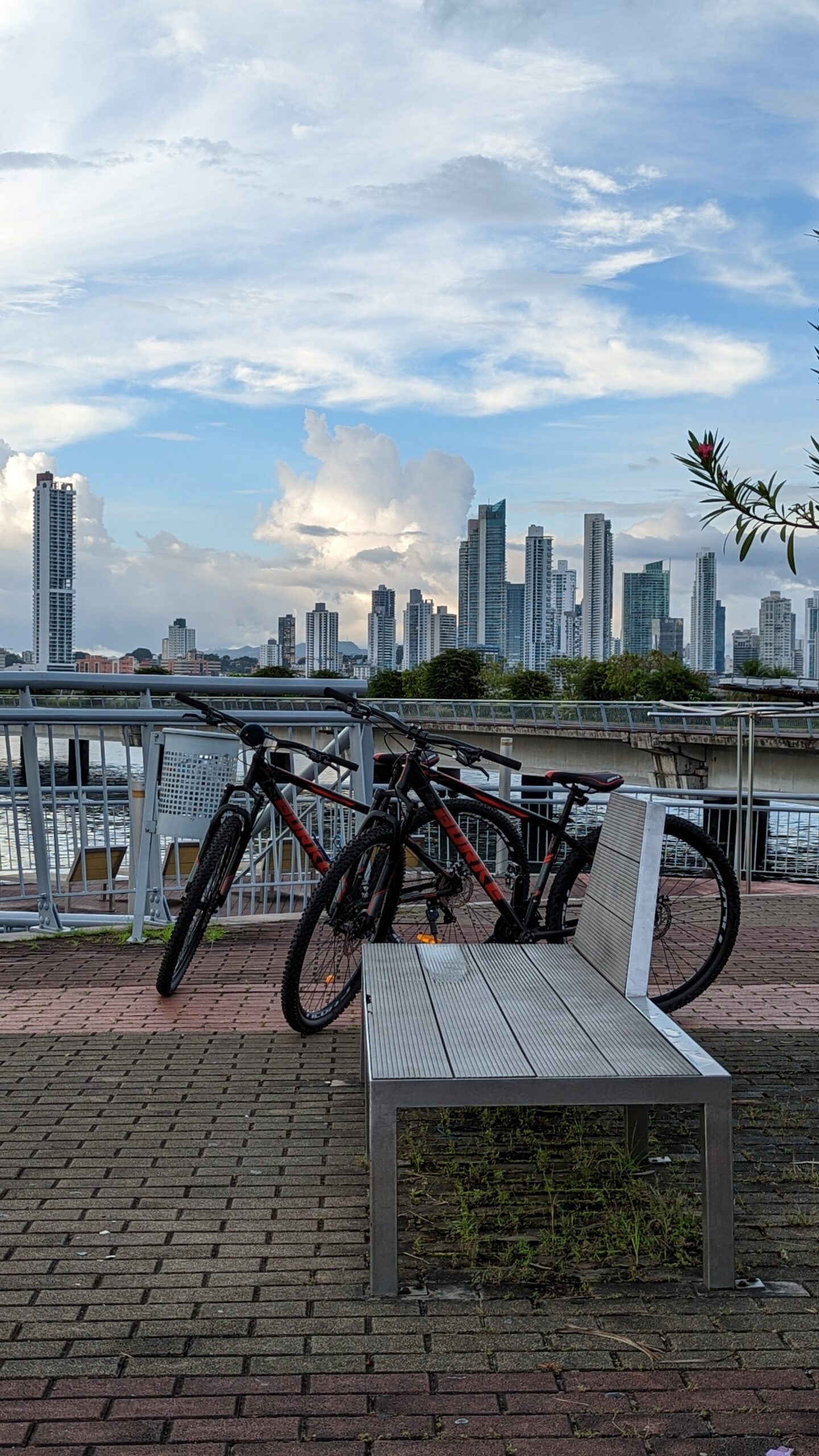
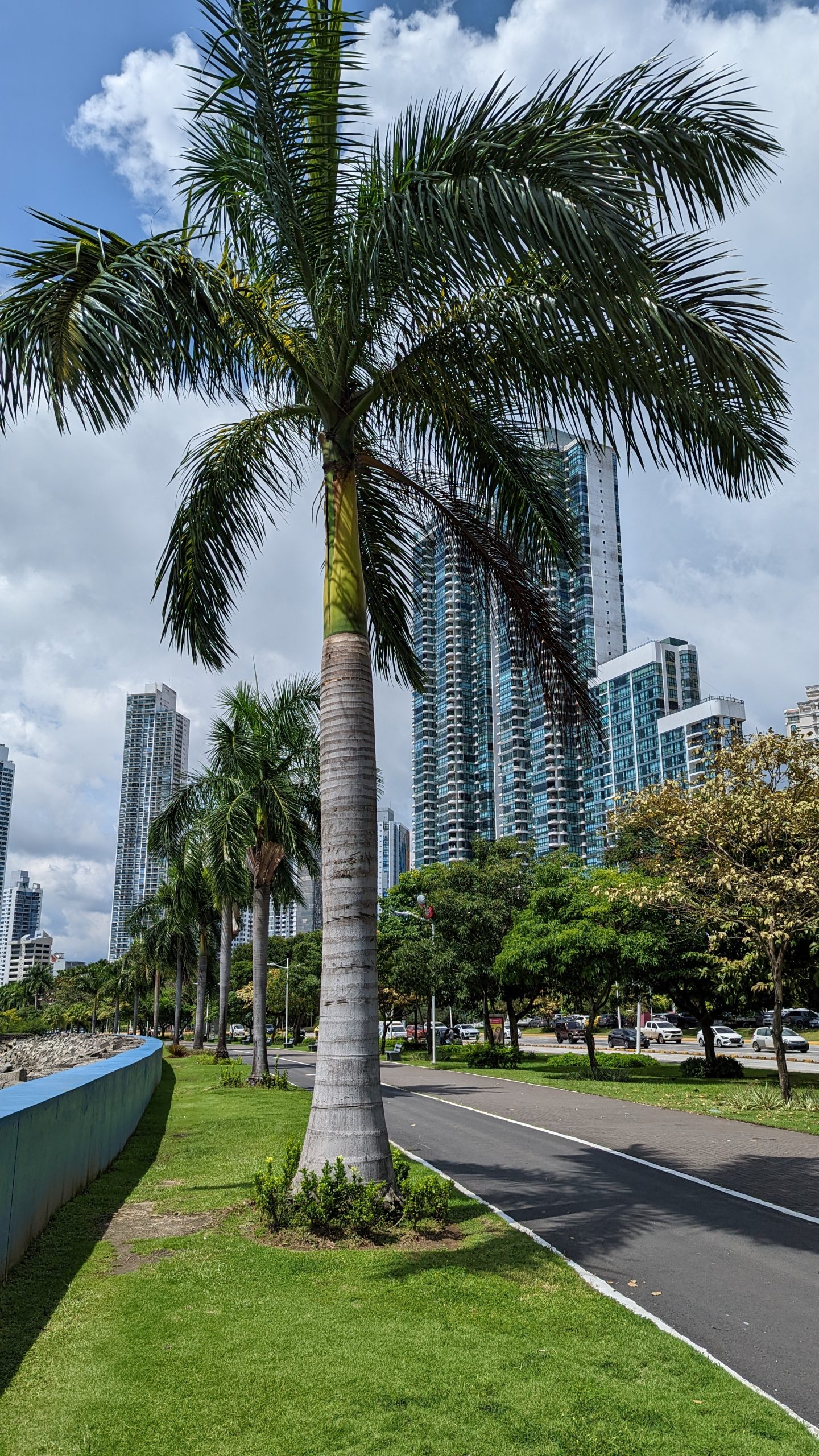
When we were living every month in a different European city, I travelled to all 7 of them by train or bus. A plane ticket was often a times cheaper, but I opted for the environmentally friendlier scenic transportation mode. Latin America is not yet known for its train network and options were often limited. The most prominent way that shows is the Darién Gap. After our month in Medellín, Colombia, there was no way, not even in a car to cross over from Colombia to Panama and we had to take a flight for merely 600 km / 370 mi of distance. While the subway in Panama City seemed very nice it did not run until the airport yet and we had to take a taxi into the city when we arrived there. I loved running along the palm tree lined walking and cycling path from Punta Paitilla, the neighborhood where we were living for a month, to the beautiful old town of Panama City. There were always policemen patrolling the path on motorbikes and in the old town you saw plenty of policemen on the streets as well. Panama City felt so much safer than Medellín. During our travels in Latin America, almost everyone we met who spent some time in Medellin was robbed there.
From 1913 Subway to Modern Cycle Lanes
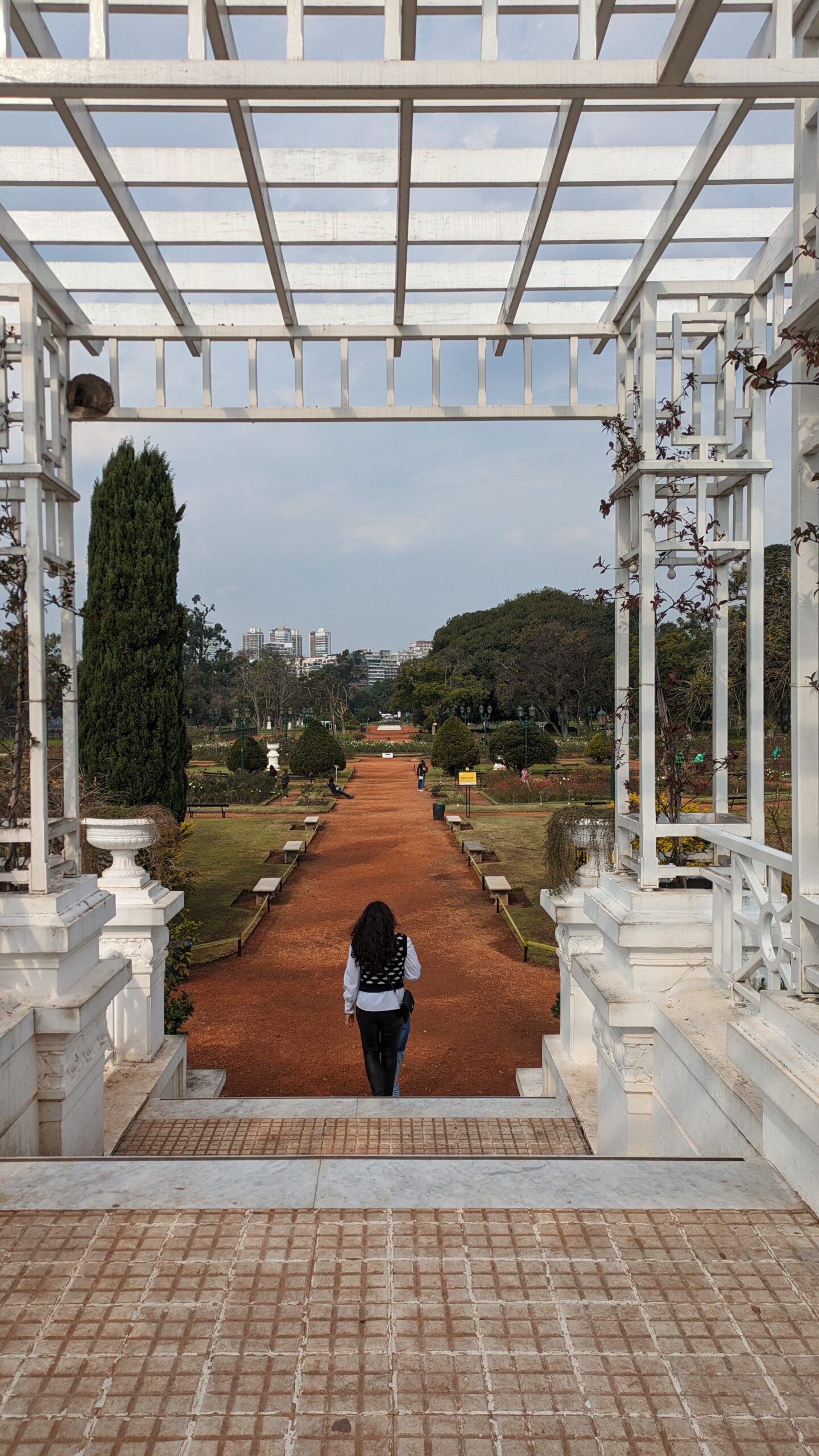
Buenos Aires, one of the biggest and safest cities in the Americas, has the oldest subway in Latin America. The Subte, as it is called, was opened as early as 1913, even before Madrid had its first metro. There is no train to the airport but plans to construct its 7th line, which will run driverless trains are underway. I liked taking the Subte in Buenos Aires, it reminded me of the New York subway. You often had musicians performing on the trains. The passengers were generally very appreciative of the performance and frequently applauded. Buenos Aires has the widest avenue of the world, 140 m / 460 ft wide with 18 to 20 lanes (out of which 4 are dedicated bus lanes), at its center you find the famous Obelisk. Most streets are though completely normal, small streets, like you know from any city and we enjoyed riding on the many dedicated cycle lanes a lot. During our first stay in Buenos Aires we used bikes from the bike sharing system EcoBici which works exactly like in New York or any other city. But since we were going to stay longer during our 2nd stay we bought ourselves bicycles like we did in New York City and most of the time I was riding my bicycle in Buenos Aires, I sometimes took a bus and I often rode on the Mitre train, a line which was built as early as back in 1857 by a British railway company and took me to Parque El Rosedal, my favorite of the bigger parks in Buenos Aires, where I was training for the Buenos Aires half marathon. We spent nearly a year living in Buenos Aires and absolutely loved it.
Why La Paz Outshines Capitals Lacking Subways
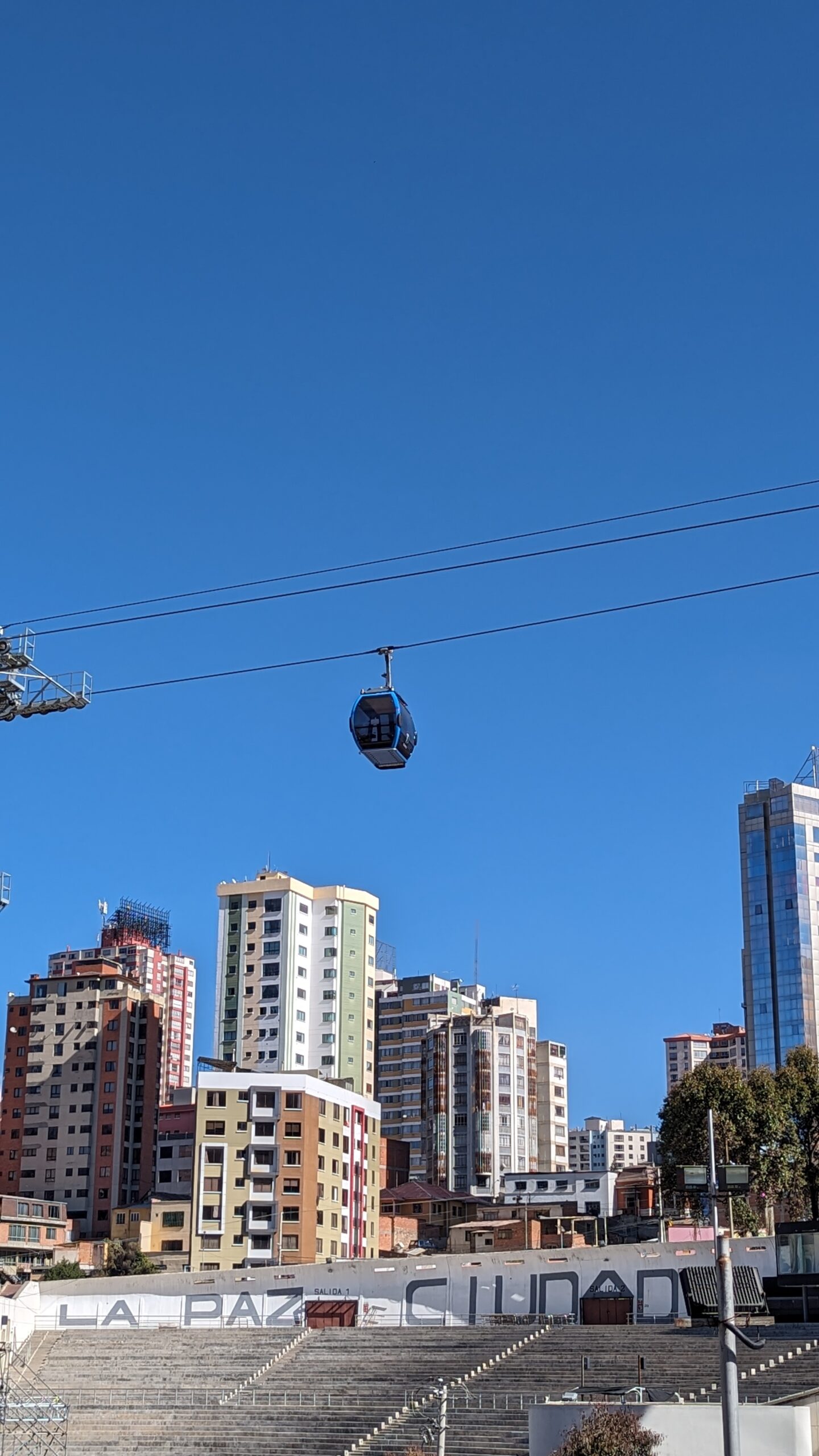
Not every capital in Latin America has a subway or inner-city train network or sometimes it has only a very limited number of lines. The relatively small Montevideo, with a population of just 1.3 million, for example, doesn’t operate a subway, but even Bogotá doesn’t. We noticed that the air quality was not always the best during our month-long stay there. After all, Bogotá has a population of 8 million people. Fortunately this is about to change and a line is under construction. High time, even the much smaller city of Medellín has a subway and several cable car lines. The absolute top innovative spot in this field, takes of course La Paz with its Mi Teleférico, the public transportation cable car network of the Bolivian capital. 10 cable car lines transport you high above the houses through the metropolitan area of La Paz. I loved this smooth and quiet way of transportation.
From Subway to Funiculars, Travel in Santiago and beyond
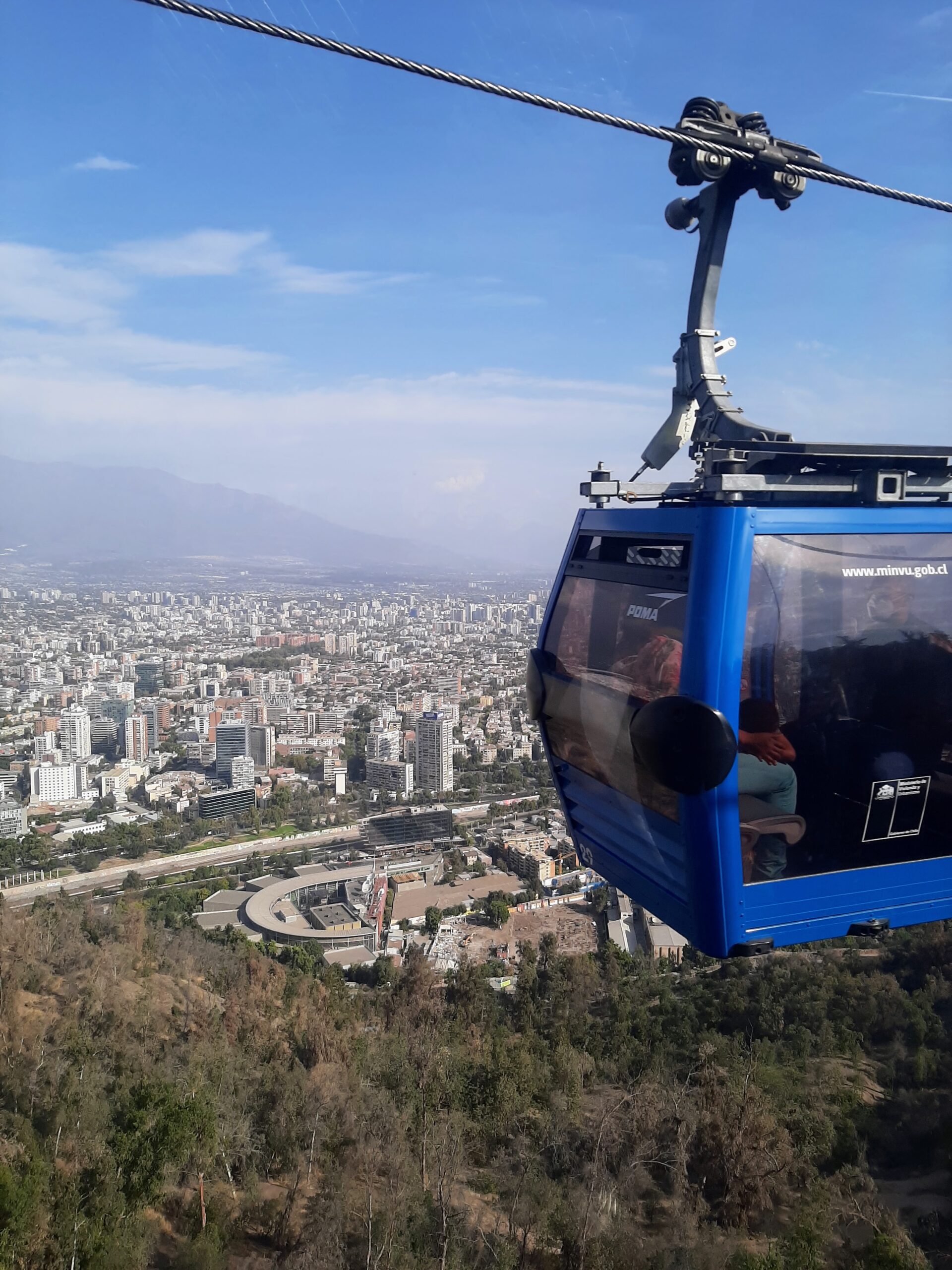
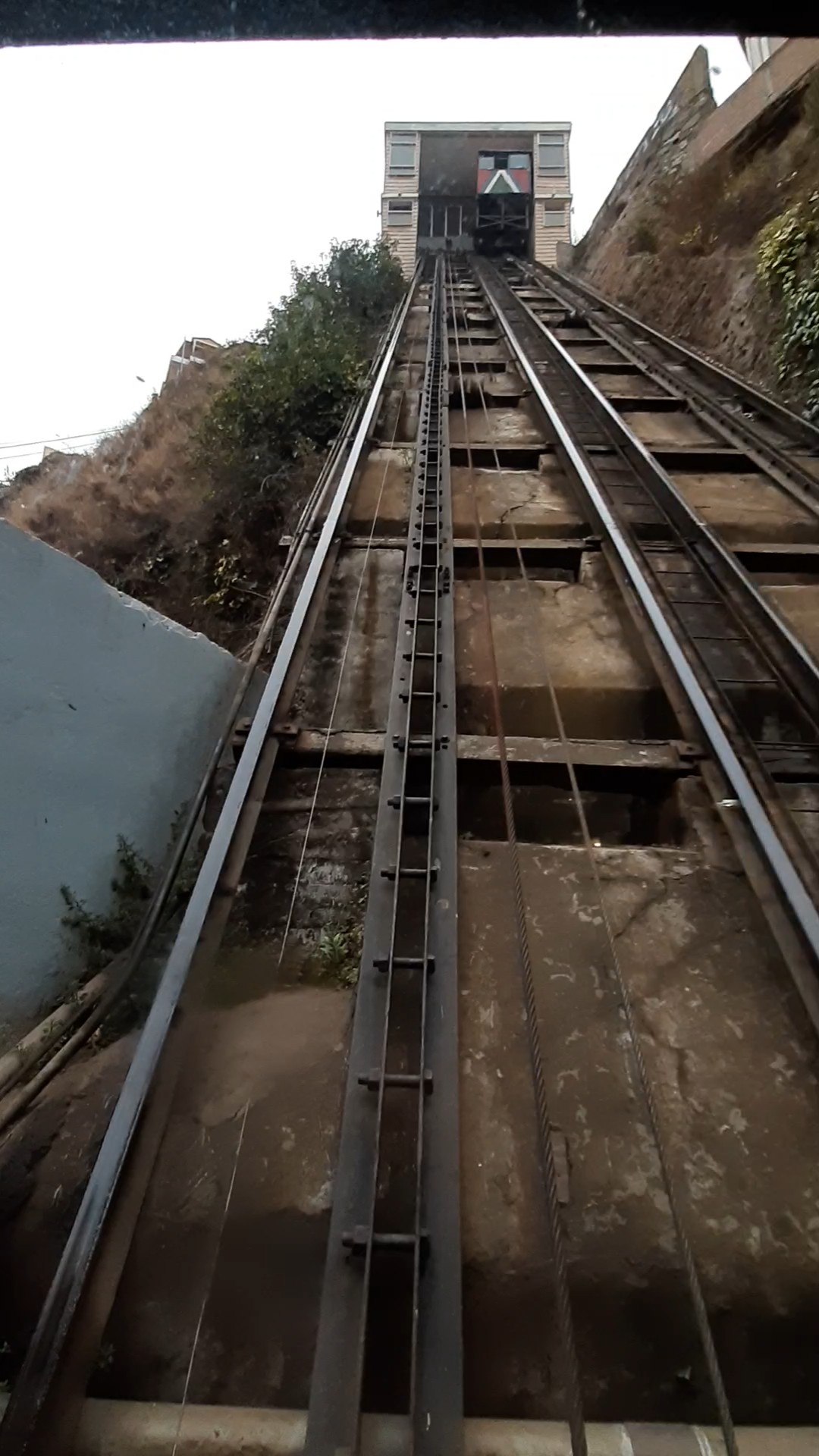
The urban transportation options in Santiago de Chile seemed plentiful to us. We were living in the pulsing barrio Lastarria, just a stone throw from the subway line 1. The subway is not as old as the one in Buenos Aires, but nevertheless a very convenient transportation mode in the city, to places like e.g. “Sanhatten” where we enjoyed magnificent views on the observation deck of Gran Torre Costanera, which is 300 meters / 984 ft tall and is Latin America’s tallest sky scraper. If you like views, I recommend also taking the cable car up on San Cristóbal Hill. During our month in Santiago we also traveled to the lovely artsy town of Valparaiso, which is famous for its historic funiculars. We took a very comfortable bus there which reminded me a lot of the FlixBus I took from New York City to Philadelphia or elsewhere in Europe. I love the front row seats on the upper deck of the double-decker buses with the big window / great views. In the meantime FlixBus actually also operates a line on exactly this route to Valparíso. The Chilean government has started a railway offensive and plans are out to revitalise the train connection to Valparaíso too and open it again for passenger transportation. Whether in a train or by bus you should go and see Valparaíso, the amount of street art you find there is mind blowing. If you want to sample some of Chile’s good wines you should take the new train from Santiago to Curicó, it’s right now the fastest train in South America.
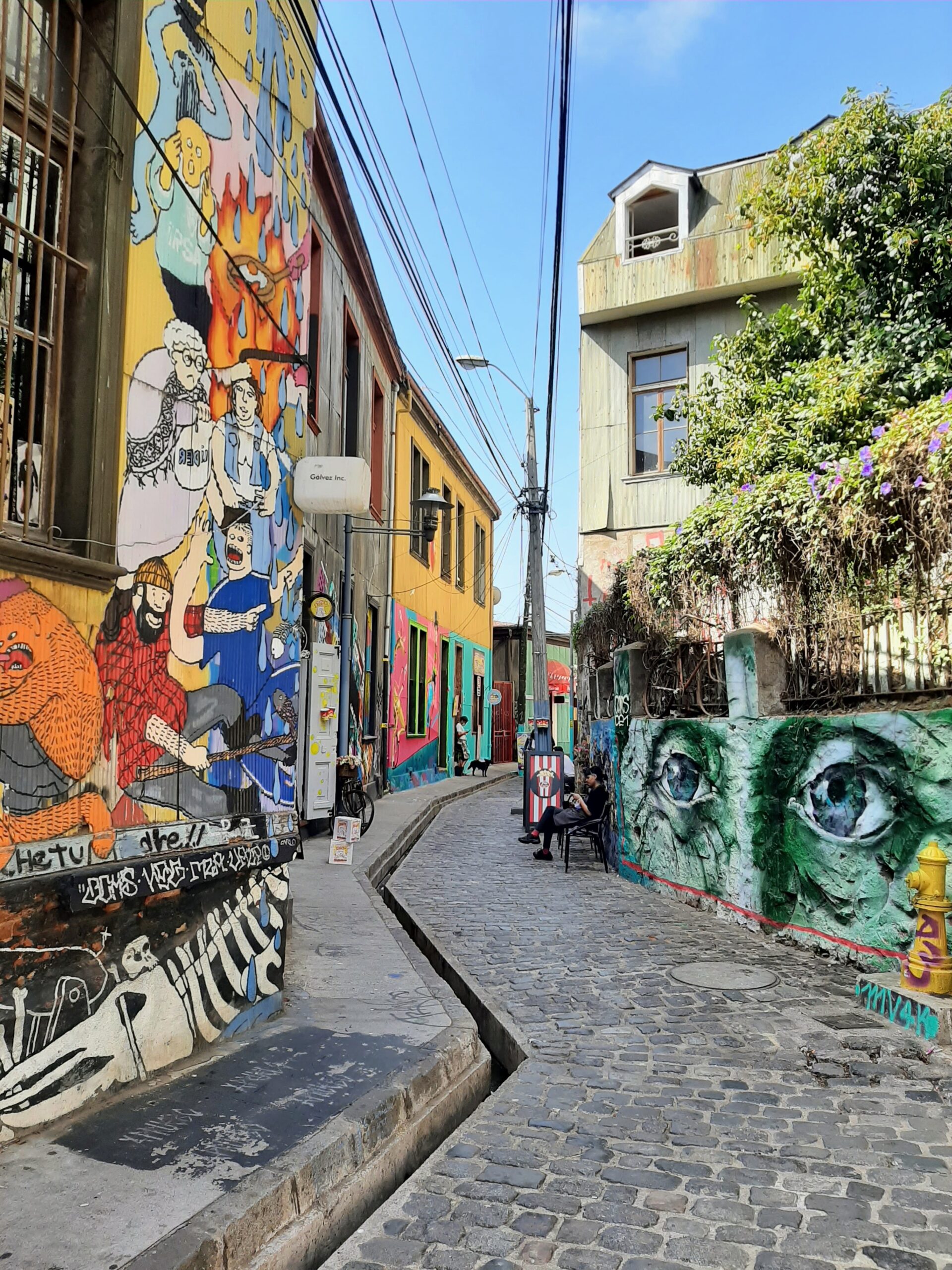
is just mind blowing
Uruguay Leads the Green Wave
Development is happening also in other parts of the Southern Cone of South America and even a literally world record breaking one is about to commence its service. The fastest way to get from Buenos Aires to Uruguay is by ferry over the Río de la Plata. I enjoyed the journey on board these comfy big ships and I was able to buy the in Latin America not so easily available Milka chocolates, which are my favorite, in the duty free shop on the ship. It’s a very convenient and fast trip, which every year about 2 million people take. You can travel from Buenos Aires to either Colonia del Sacramento or Montevideo. In 2026 the world’s biggest electric ferry which can transport over 2,000 passengers and more than 200 cars will start operating on this route. I learned about this during my Spanish class in Buenos Aires. Thanks Nico, for the interesting class!
Viking Cruises by the way has currently its first Hydrogen powered cruise ship under construction, which will leave the shipyard in 2026, well ahead of Norway’s complete ban on emission producing vessels in UNESCO World Heritage Fjords by 2032. I think this is the first cruise ship I’ll actually seriously consider boarding. CATL, the biggest battery producer with a global share of about 40%, has already deployed batteries in some 900 ships and is going to more than double their marine business unit team to about 500. So I am sure we can expect some serious advancements in this sector as well.
Back to Uruguay: Having scaled their renewable energy productions tremendously in recent years, switching almost entirely to renewable energy (99% in 2024!), this new gigantic electric ferry makes a lot of sense for Uruguay and proves further that if there is a political will things can change rapidly. In 2007 one third of Uruguay’s energy generation still came from fossil fuels. As a consequence of switching to renewable energy, costs have been reduced by a factor of 2 and 50,000 new jobs were created. With surplus energy being exported even to Argentina and Brazil.
Plans to revitalize some of the old railway systems of Uruguay are also in the making, but because of the lack of train options we rented a car when visiting the beautiful and empty beaches of the coast of Rocha.

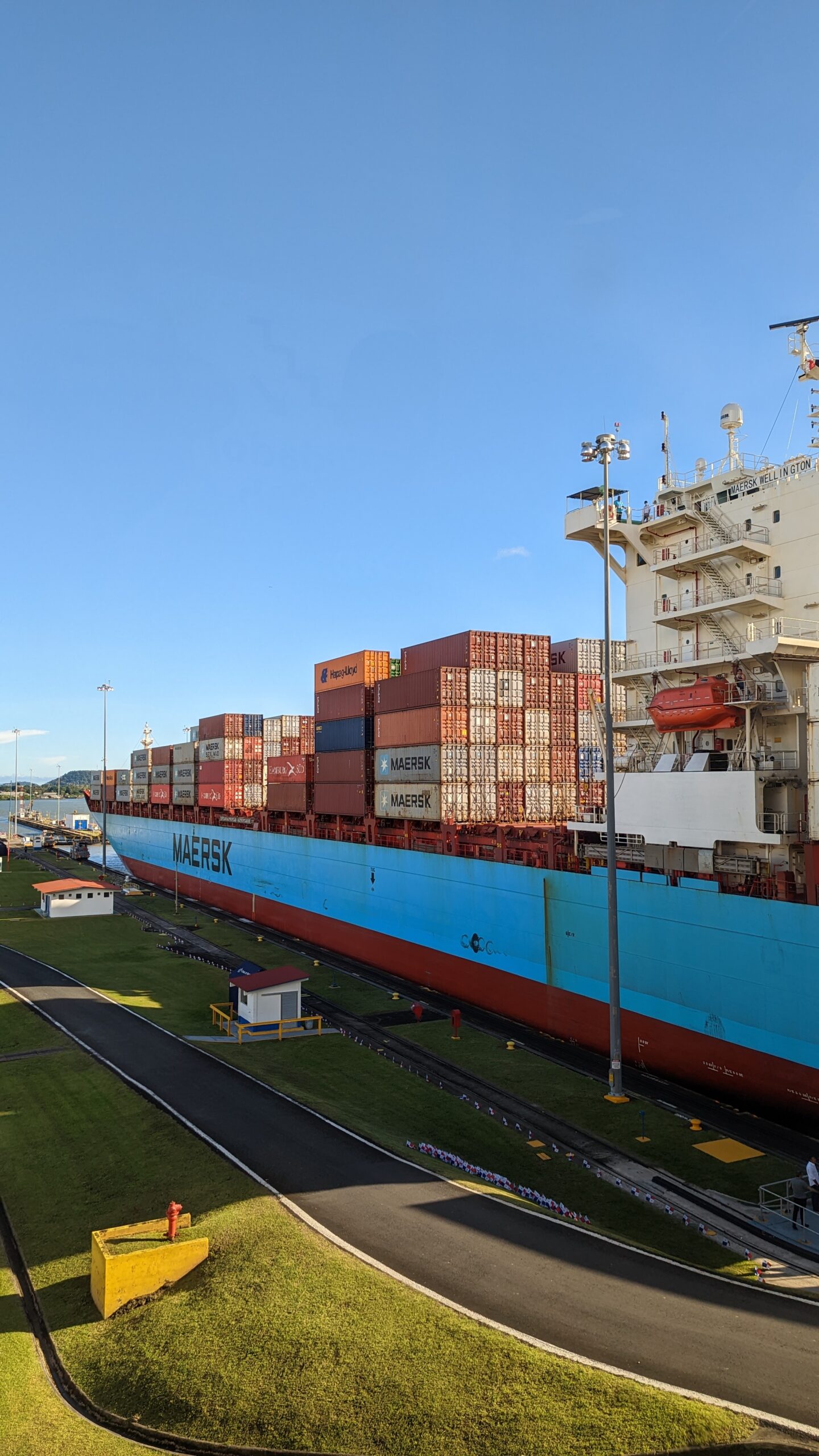
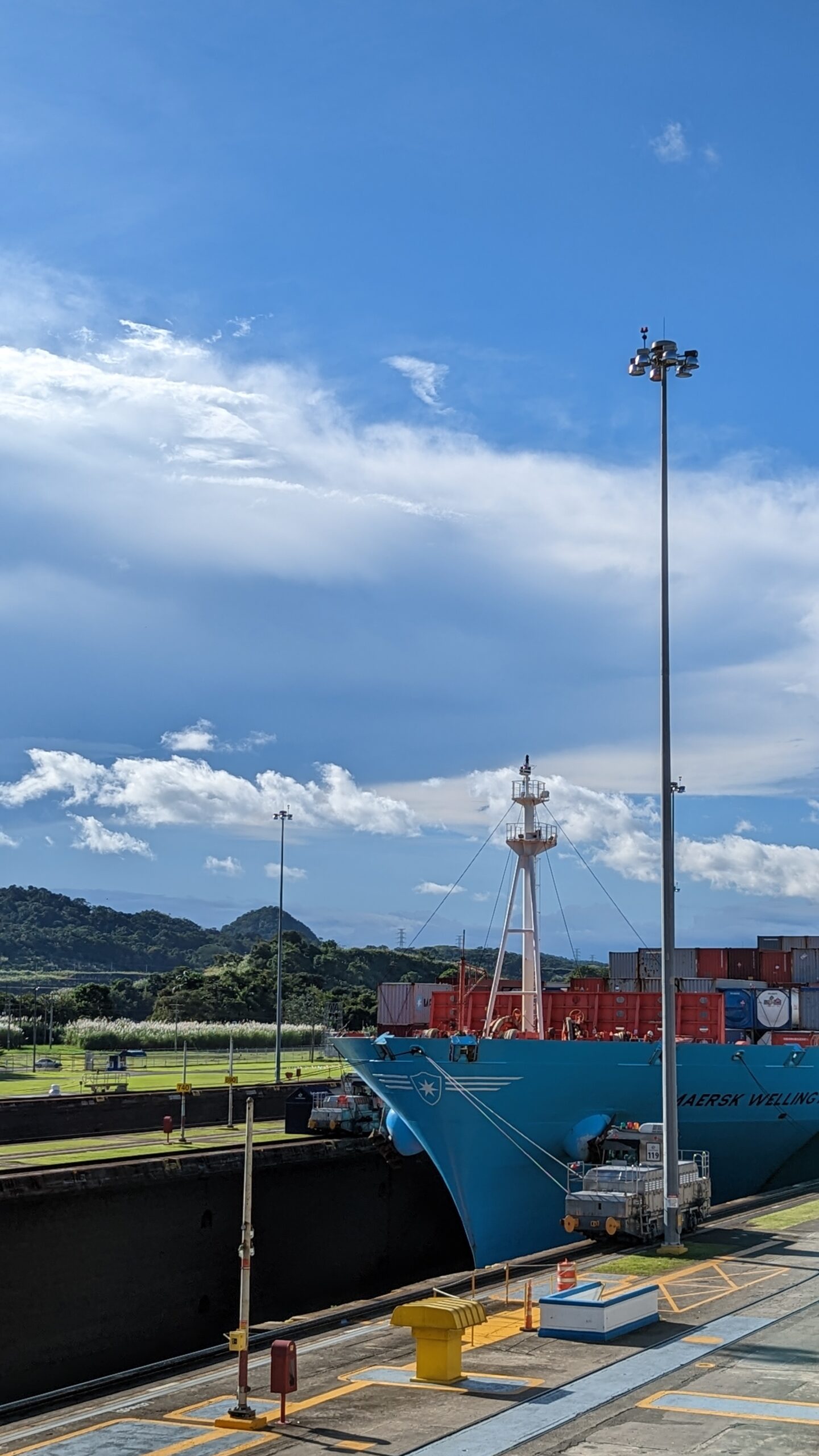
Even though more and more ships go electric, Norway already has about 70 electric ferries, cargo ships unfortunately still run largely on fossil fuels and have thereby a huge negative impact on the climate. The inter ocean railway line currently in the planning phase from the Atlantic coast in Brazil to the Pacific Ocean in Peru, would cut the travel time for cargo ships by approximately 10 days. Another such railway line connecting the Oceans, currently built in Mexico, is scheduled to be completed in 2026. A necessity considering that the Panama Canal couldn’t run at full capacity recently due to a lack of water which is partly caused by climate change. Another piece of transformation, the “Tren Maya” in Mexico was completed at the end 2024. This modern new train runs on about 960 miles / 1,500 km newly laid tracks and is revolutionizing Mexican train travel. Guatemala and Belize might connect to it in the future too.
Ecuadoran altitude records
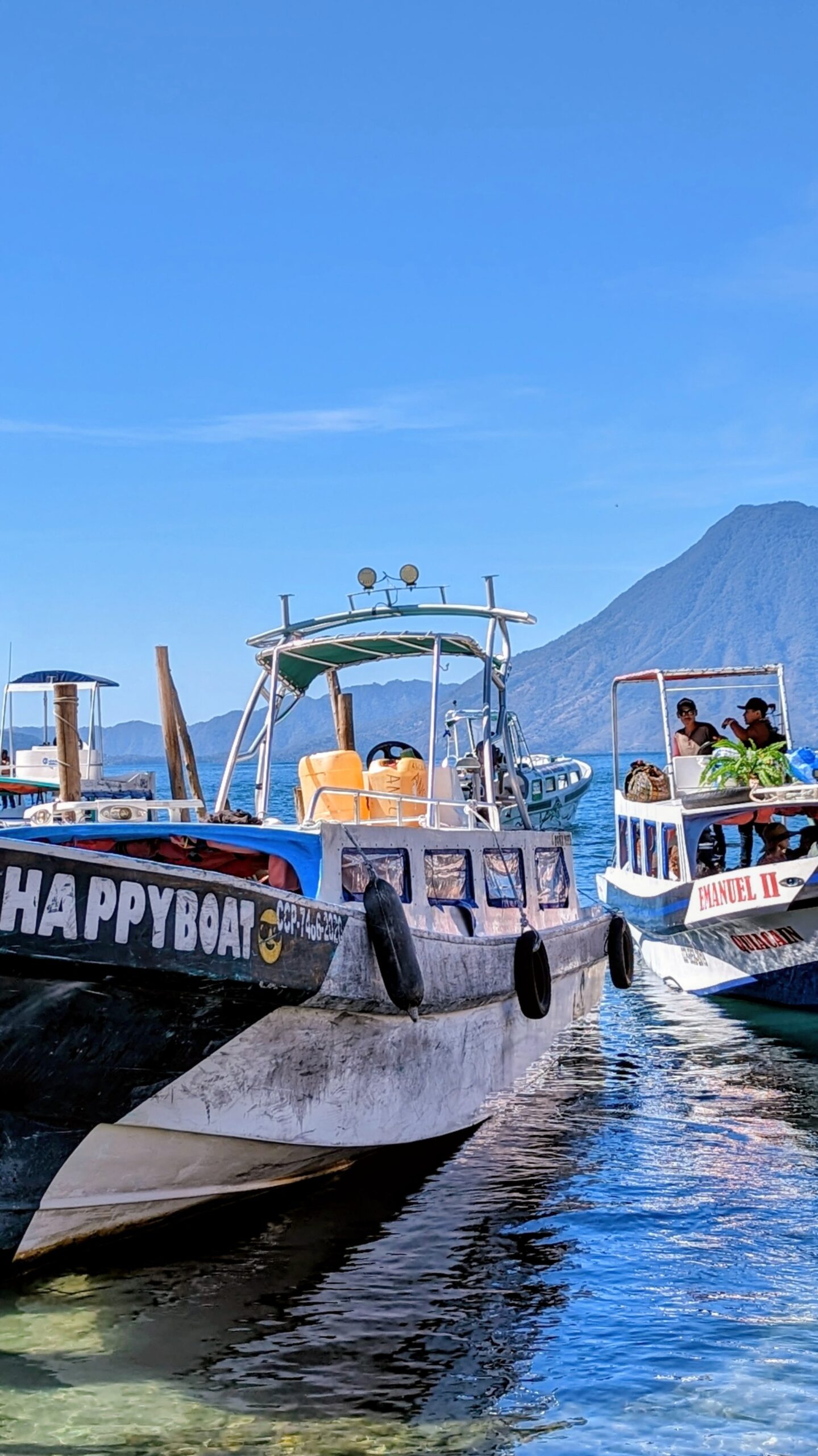
Traveling between the villages of the beautiful Lake Atitlán in Guatemala was only possible by one of the public transport boats. I remember, one day we missed the last returning boat in the evening and had to take an insanely fast driving taxi boat back across lake Atitlán.
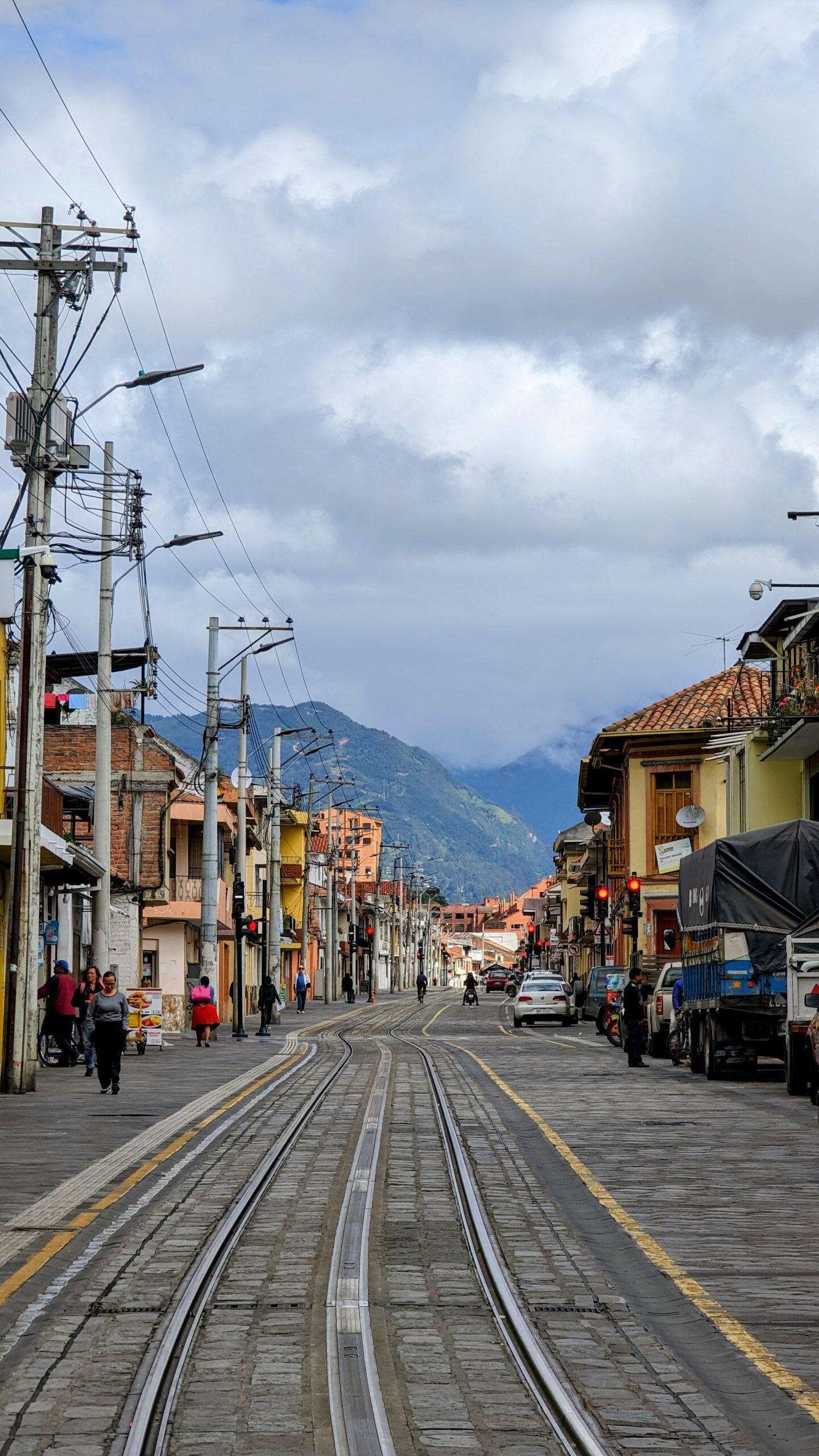
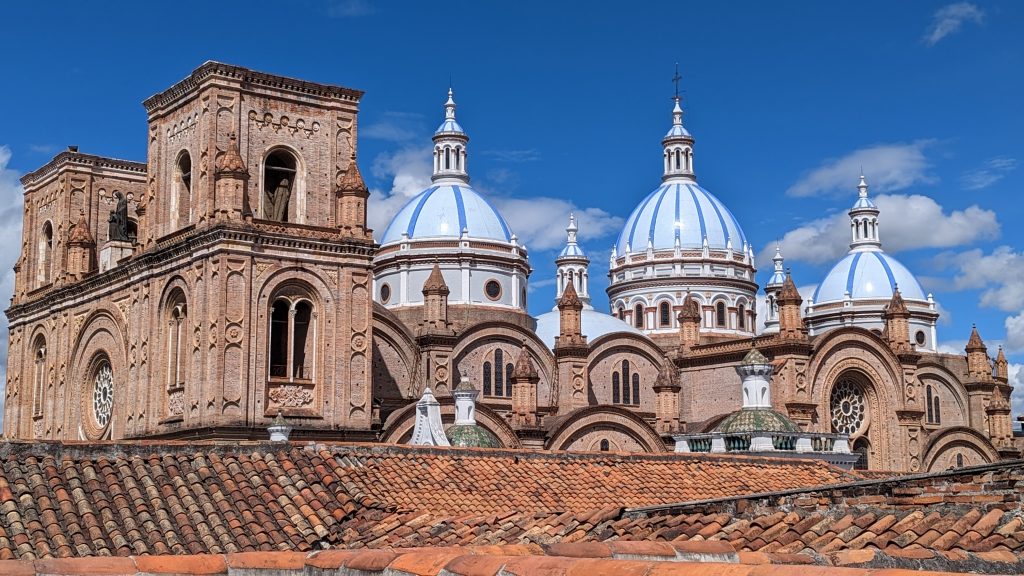
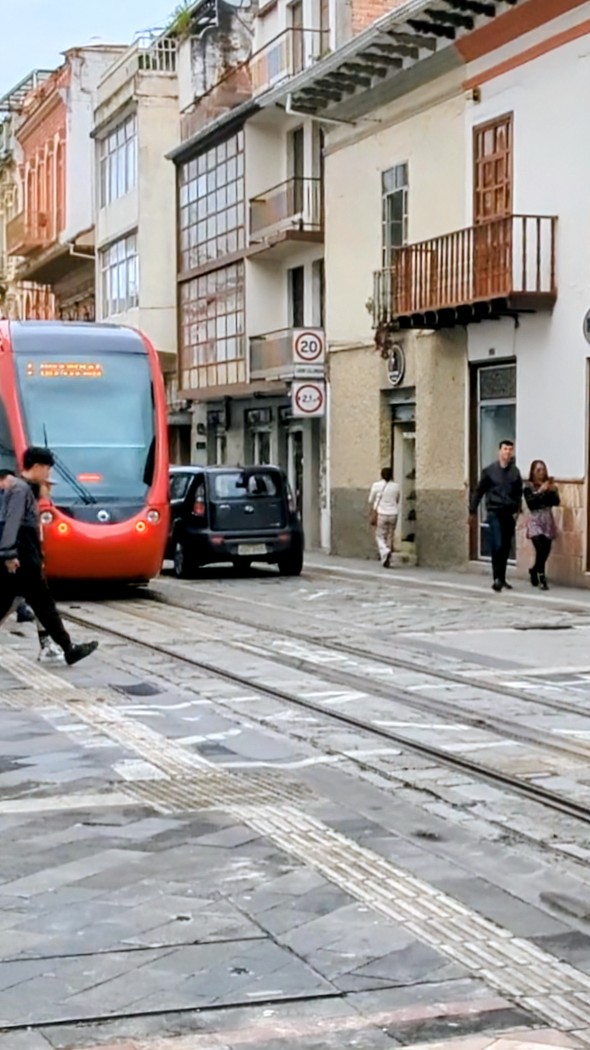
The local community there hasn’t discovered electric boats yet, but in Ecuador this technology has changed the life of the Indigenous Achuar community in the Amazonas already. We didn’t make it to the Amazonas of Ecuador but during our month-long stay in Cuenca, I was baffled by the highest operating urban tram in the world at an altitude of 8,200 ft / 2,500 m. What a cute little town, we loved it up there.
It feels very safe, standing in stark contrast to the news reports you might read about other parts of Ecuador. Although there is a tram in Cuenca, there is no train anymore to get to Cuenca. I took a mountain bike trip on an abandoned railway line near Cuenca. It was my highest bike ride at 3,300 m / 10,700 ft. Quito, the capital of Ecuador opened its first subway line in 2023. It’s the highest urban subway of the world, at an altitude of 9350 ft / 2,850 m.
Big shifts towards EVs
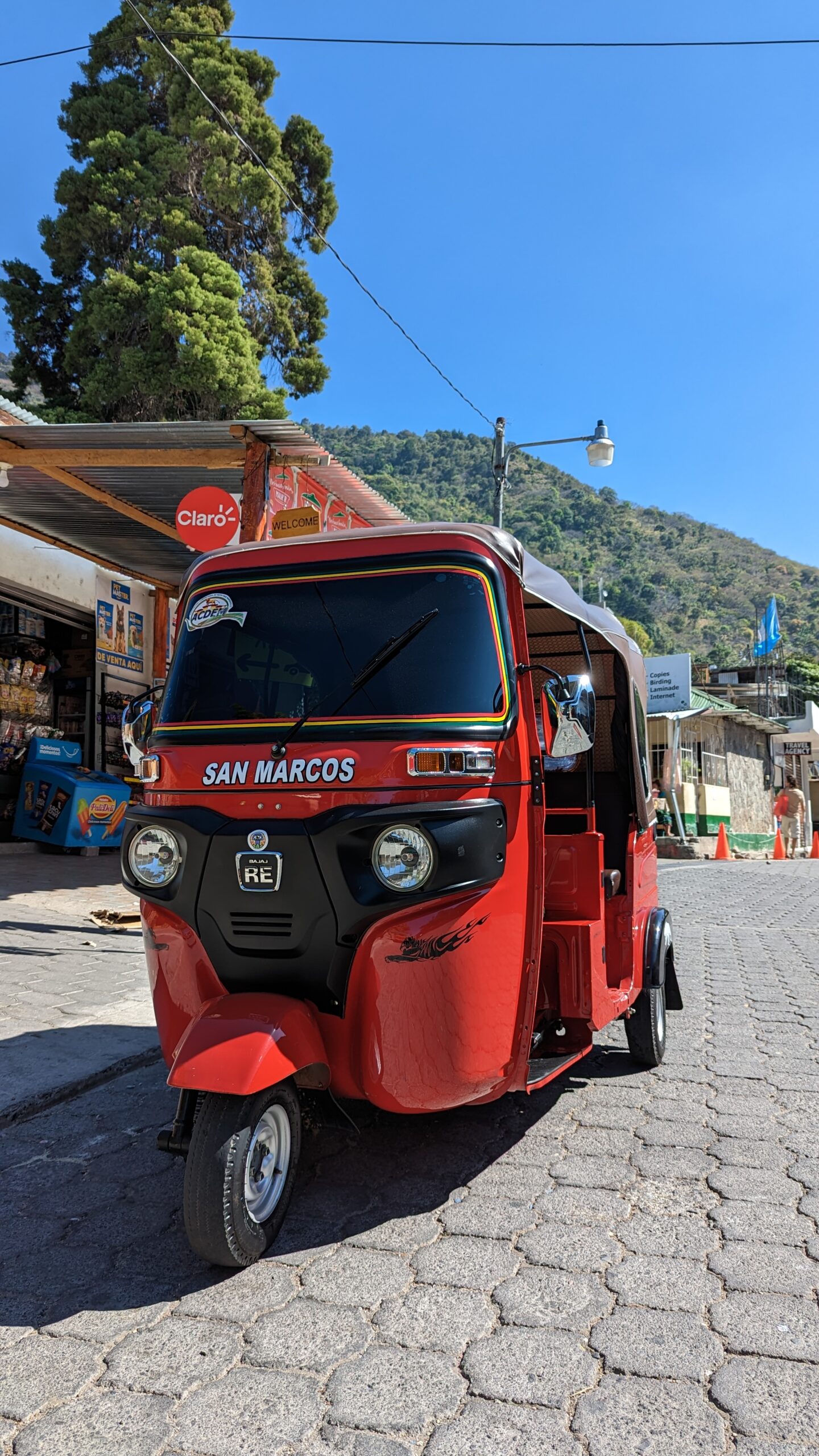
I was surprised to see Rikshaws, just like the ones I know from India, in fact from the Indian company Bajaj, in the villages around Lake Atitlán in Guatemala. The ones I saw there were not electric yet, but every day there are already 1.8 million electric Rickshaws transporting people and goods on the streets of India.
Back in the year 2000 I owned a Vespa from the LML-Piaggio joint venture when I was living in Northern India, but Bajaj was selling definitely the more popular model, the Chetak, which was a licenced Vespa Sprint and the number one family scooter in India. Oftentimes you would see an entire family of 4 people riding together on it. It was so popular and the licensed production number limited, that waiting times for it could reportedly be up to 10 years. The model was ultimately discontinued, but its electric successor was re-introduced in 2020 and is currently one of the best selling electric Vespa-style scooters in India. Sales have risen in 2025 to 230,000 annually, increasing by over 100% in one year. I guess it won’t be all too long before the production plant will reach its limits (500,000). India’s transition to electric two- and three wheeler transportation is fast. In 2025 alone 1.3 million electric motorbikes were sold in India, making it the second biggest market after China. In China 3.5 million electric 2-wheelers were sold in 2024. Since 2020 more than half of all 2-wheelers sold in China were electric and now over half of all cars sold are electric too in China. The world’s most populated countries are clearly making big steps into the directions of more environmentally friendly transportation. Is there a lot of work ahead, for both India and China in regards to transforming electricity production to renewable energy? – Yes, but they have achieved huge improvements in that area too. In 2024 China reached its goal of bringing the solar & wind energy production to 1,200 GW, six years ahead of the set target date. It already has the world’s largest wind and solar power capacity and has just announced to triple the current output to 3,600 GW by 2035. Greenpeace East Asia says at current pace China will reach 4,500 GW by 2035. In the first half of 2025 renewable energy generation has taken over energy generation from coal worldwide for the first time.
From Burning Eyes to Bullet Trains
When I was living in Chennai, India in 2001, I remember how my eyes would sometimes burn from the fumes in the traffic, when taking a rickshaw. I know what it means to live in a Metropolis with severe air pollution. The impact on people’s life and health are tremendous. Fast forward to 2025, Chennai and 2 other major cities, Hyderabad and Bangalore, all within South India (combined they have a population of 22 millions) are looking into ways of getting connected by high speed rail. China has currently the biggest high speed railway network in the world, but India was looking towards Japan when planning their first high speed line. Works are already in full swing for the first Japanese Shinkansen train (bullet train) running between the cities of Mumbai and Ahmedabad. The first section will be completed in 2028 and the completed 500 km long line will be fully operational in 2030. The combined 18 million people living in these two cities will be connected at peak hours every 20 minutes by a train running at 200 mph / 320 km/h. I’ll be missing the food they probably won’t have time anymore to load on the trains during stops. I used to love the Indian “train food”. And it would be especially a pity when passing through a city like Chennai, since it is home to my favorite Indian dish, Masala Dosa. I guess I would have to get off there and pay a visit to the street food stall where I used to eat it!
No doubt, the Japanese trains in India will be very fast but the absolute fastest trains in the world will be operating in Japan. Japan currently holds the world record for the fastest train at 370 mph / 600 km/h. These trains don’t run on wheels anymore, but literally float thanks to the magnetic Maglev technology. A track between Tokyo and Nagoya is currently under construction slated to be completed by 2034. The trains will run at a speed of 310 mph / 500 km/h.
The US is catching up with Europe in some ways
It’s not just Mexico, India, and Japan making strides in rail transport; even the U.S., long known for its car-centric culture, has major developments underway. The last time I rode Amtrak was from Philadelphia to Washington, D.C. Those older cars likely feel dated now that Amtrak has introduced its NextGen Acela fleet on the Northeast Corridor. These new trains can reach speeds of 160 mph / 260 km/h on the way to Boston. Meanwhile, in Florida, the sleek Brightline has been reaching 125 mph / 200 km/h. Looking ahead, the same company aims to complete a high-speed line between Los Angeles and Las Vegas by 2028. With speeds of 200 mph / 320 km/h, it will finally match the top operating speeds found in Europe.
From UNESCO Heritage in Austria to the Himalayas to Peru: How Global Rail Engineering Continues to Conquer the World’s Highest Peaks
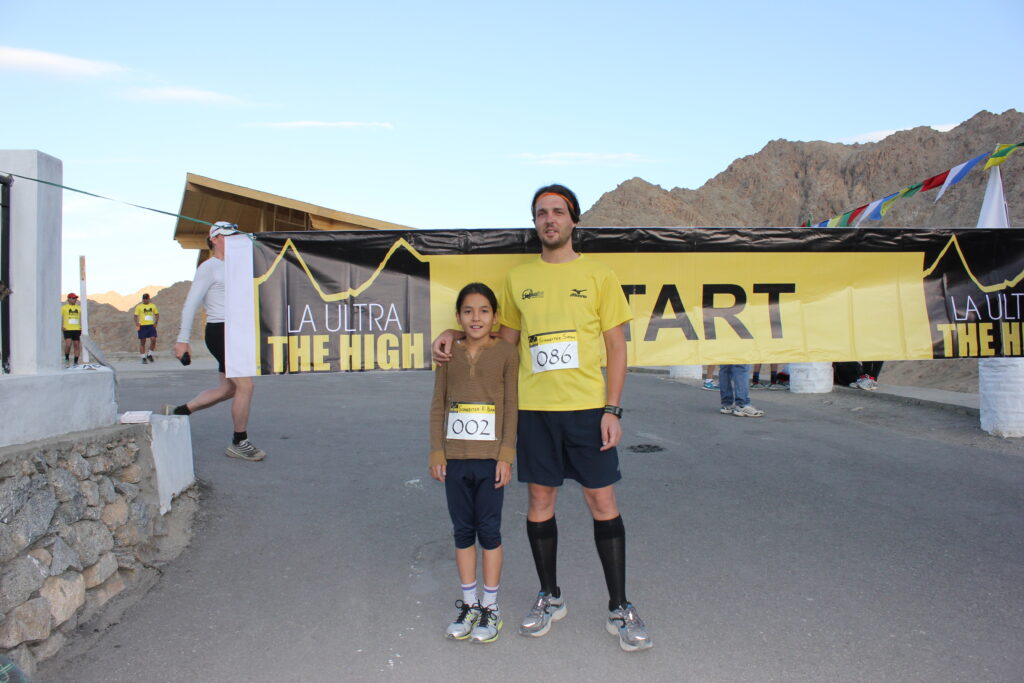
The Austrian trains currently don’t belong to the fastest trains, but aren’t slow either, maxing out at 140mph / 230 km/h. We enjoyed our train journey from Vienna to Venice a lot. The track runs over the Semmering pass. At the time of completion (in the year of 1854), Semmering was the highest town in the world which was reachable by train. It’s a scenic journey and the mountain railway track is rightfully part of a UNESCO world heritage site. In the mid 1800’s the Semmering mountain track was considered an engineering masterpiece. It reaches 900 meters / 3,000 ft of altitude, which is not much considering that the highest train line in the world under construction now in India to Leh in Ladakh will reach a height of 5,360 m /17,600 ft and the wagons will be air pressurised similar to the cabin in an aircraft. When I was spending some time in Ladakh I saw people in a clinic in Leh wearing oxygen masks because they couldn’t handle the altitude, so I think that’s a smart move to pressurize the cabins… I actually ran a half marathon in Leh at an altitude of 3,500 meters, but had also plenty of time to acclimatize.
Since Ladakh, which borders Tibet, was once a Tibetan Kingdom and Ladakis share apart from the language and culture, the genetics with Tibetans, in particular a variation of the EPAS1 gene, they don’t have any problem with the altitude either. The EPAS1 gene helps with the adaptation to the high altitude. The Chinese are mostly missing this variation of the gene and Chinese babies born in Tibet therefore have a much higher likelihood of being born with a congenital heart defect because they are not used to the high altitude. Leh is only about 1,400 km / 860 miles from Lhasa, the capital of Tibet, which lies even slightly higher than Leh at an altitude of 3,650 m / 12,000 ft. Lhasa already has a rail connection, unfortunately one that connects the Tibetan Plateau to its colonizers, Tibet sadly belongs to the most repressed regions in the world…
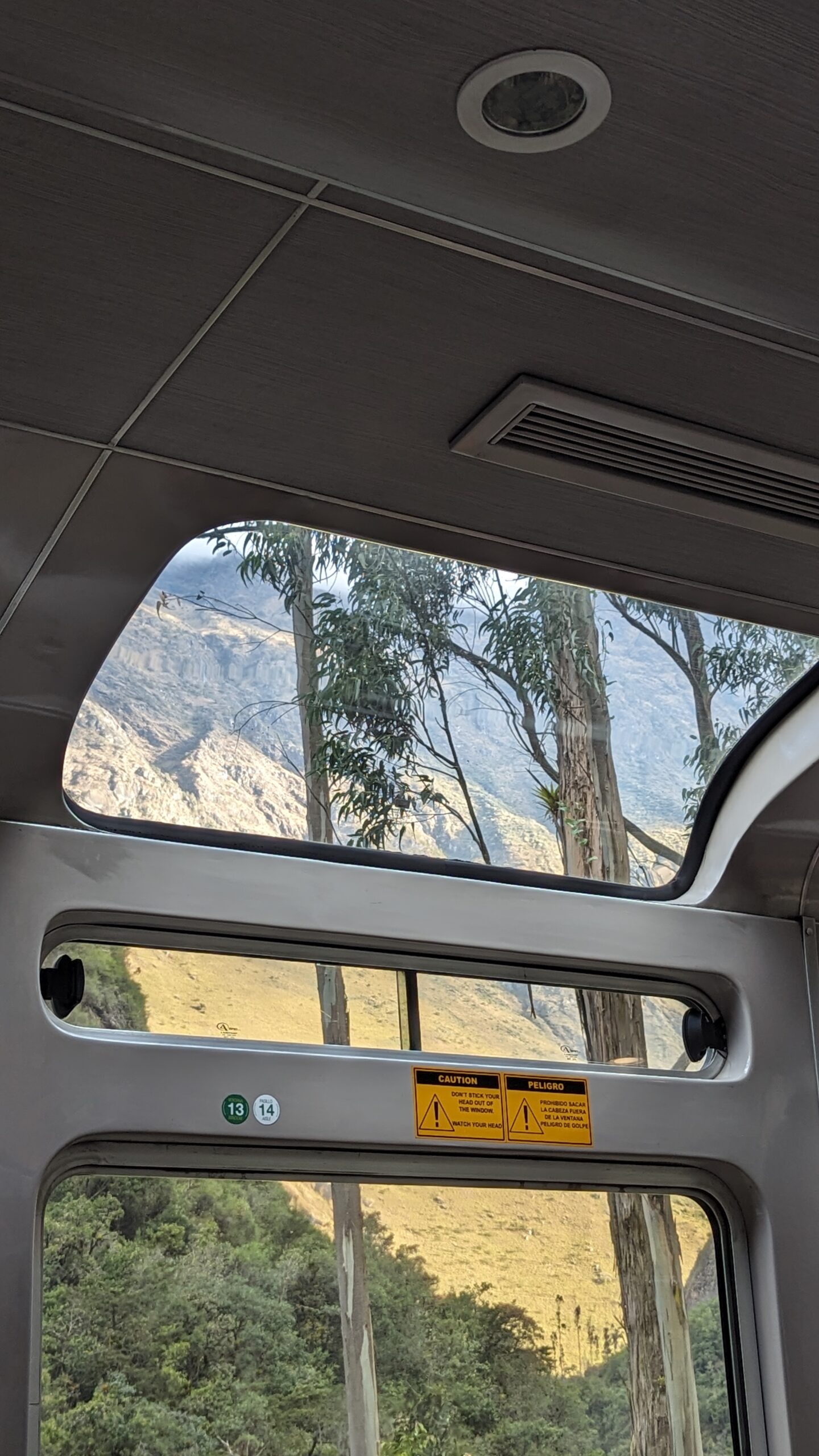
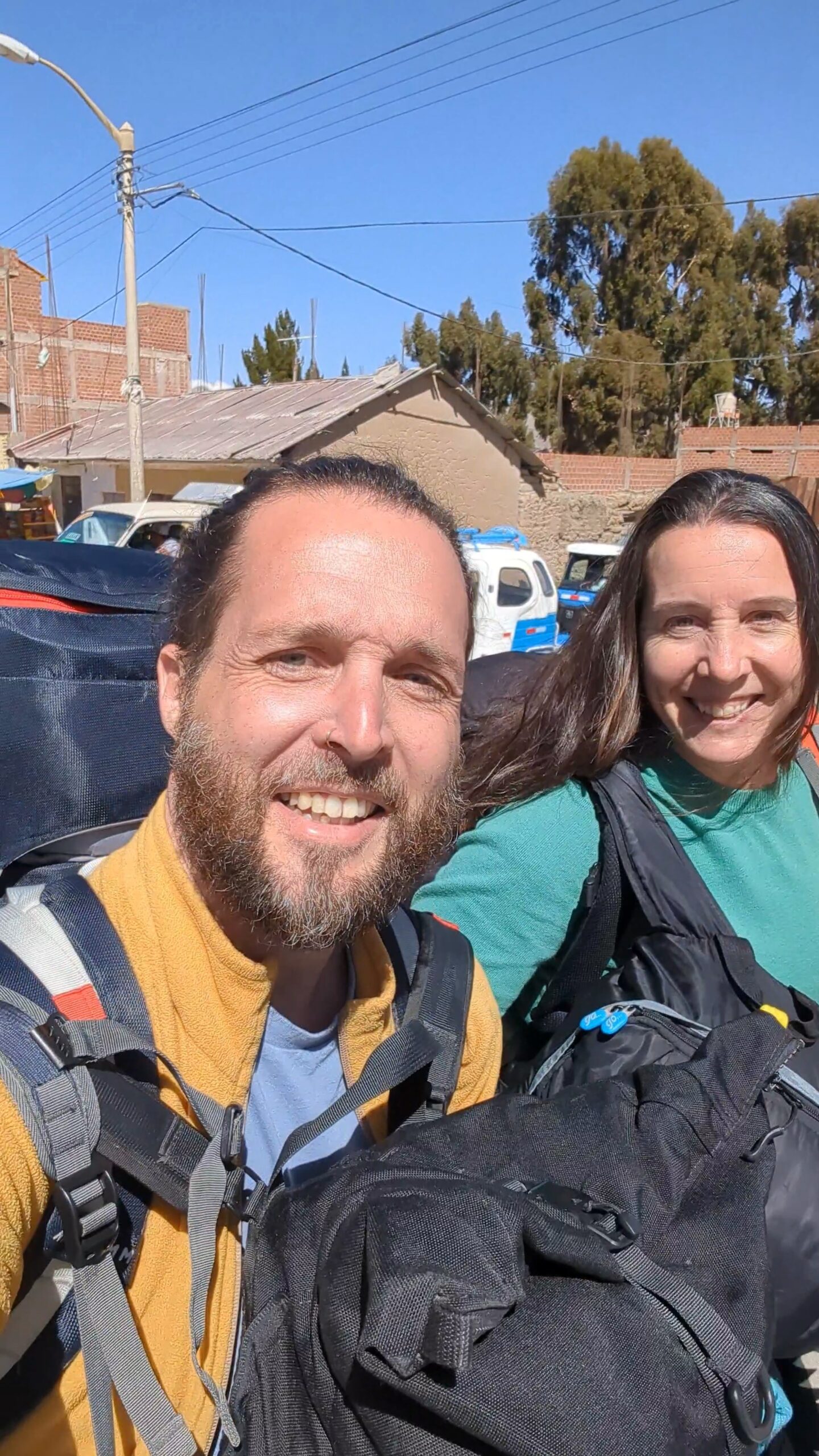
Peru has some of the highest railway lines in the world. We didn’t take the train along Lake Titicaca (3,800m / 12,500 ft) but a not so comfortable overnight bus on our way to Bolivia. Nevertheless the train we boarded in Ollantaytambo in Peru did start at an incredible 2,800 m / 9,200 ft of altitude. The journey along the Urubamba River to Aguas Calientes, the town next to Machu Picchu, is probably the most scenic train journey I have taken.
On our return trip we took the vista train, which offered spectacular views, I wish though they wouldn’t have had a sales show going during part of the journey. We got out on the way to hike a day on one of the old Inka trails to the Inti Punku (Sun Gate) before arriving above Machu Picchu, what a sight …! Peru plans to begin construction of a new railway line in 2026. The line will begin in Lima and run 300 km / 180 miles south along the coast, with 47 km / 29 miles of viaducts to be built and 32 km / 20 miles of tunnels to be dug. Upon completion, the line will carry Latin America’s fastest trains (200 km/h / 124 mph). I really enjoyed cycling through Lima, especially along the cliffs of Miraflores, on the Malecón and in Barranco, but I would definitely be hopping on this train to explore Peru further south!

Yet another record, the longest railway tunnel of the world
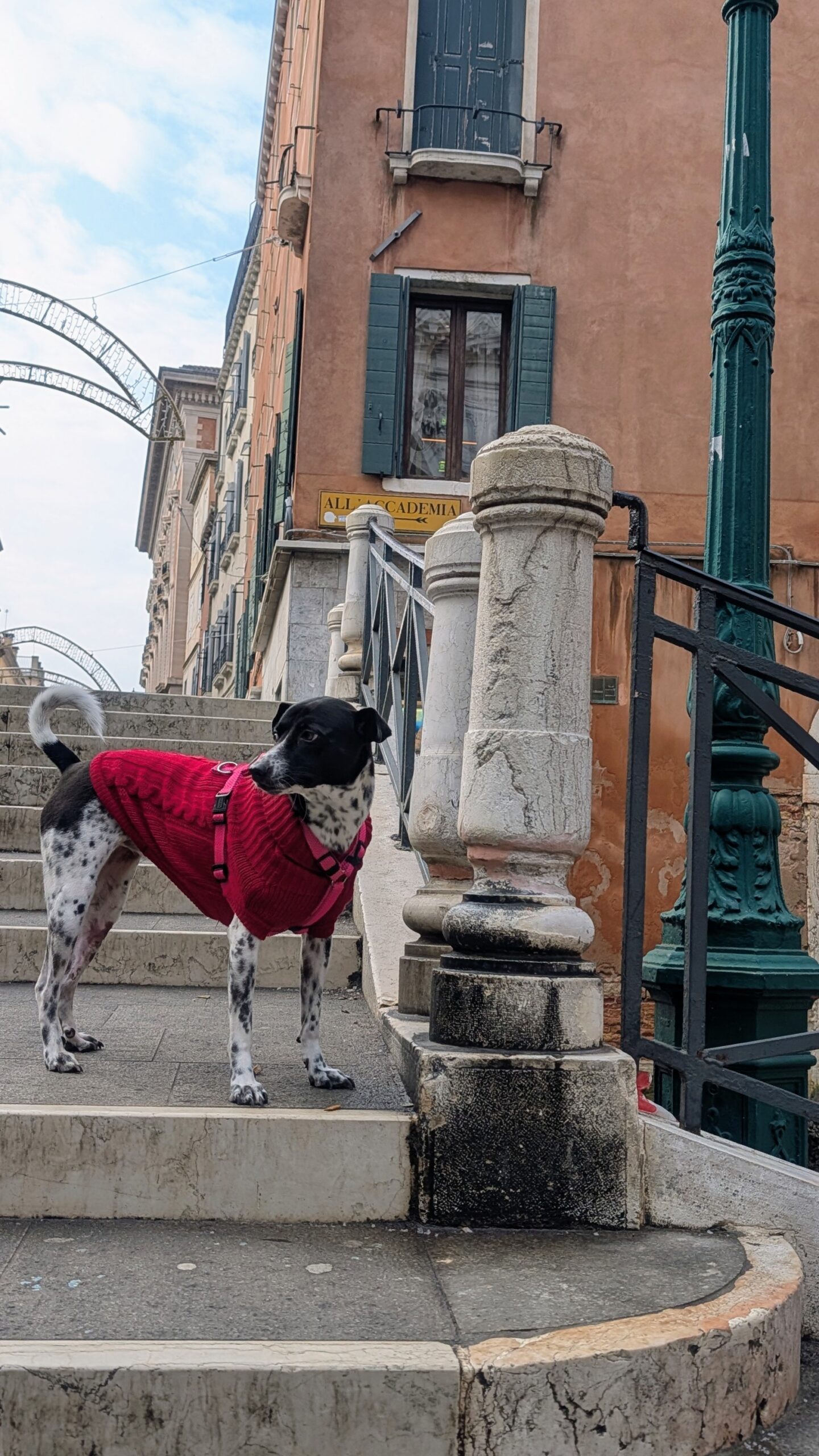
One of the world’s longest railway tunnels is currently under construction in Austria, the Semmering base tunnel below the Semmering pass with 17 miles / 27 km of length. The Koralm tunnel, further south in Austria, just started operation in late 2025 and has an astonishing 20 miles / 32 km of length. Upon the completion of the Semmering tunnel a train ride from Vienna to Venice will be reduced to about 7 hours. Our far travelled Vietnamese dog Gussy, who is already perfectly accustomed to Austrian train travel, already traveled with us through the Koralm tunnel and spent a couple of days with us in Venice. I love Venice, in the off season.
Another milestone project is being built not so far from the Koralm tunnel. Including the already existing tunnel at the starting point in Innsbruck, the currently under construction Brenner base railway tunnel, a joint project of Austria and Italy, will be 40 miles / 64km long and thereby the longest in the world. This tunnel will not only reduce the travel time for passengers to Italy a lot, but will facilitate a fast transportation of up to 50 million tons of freight a year via rail, reducing emissions significantly.
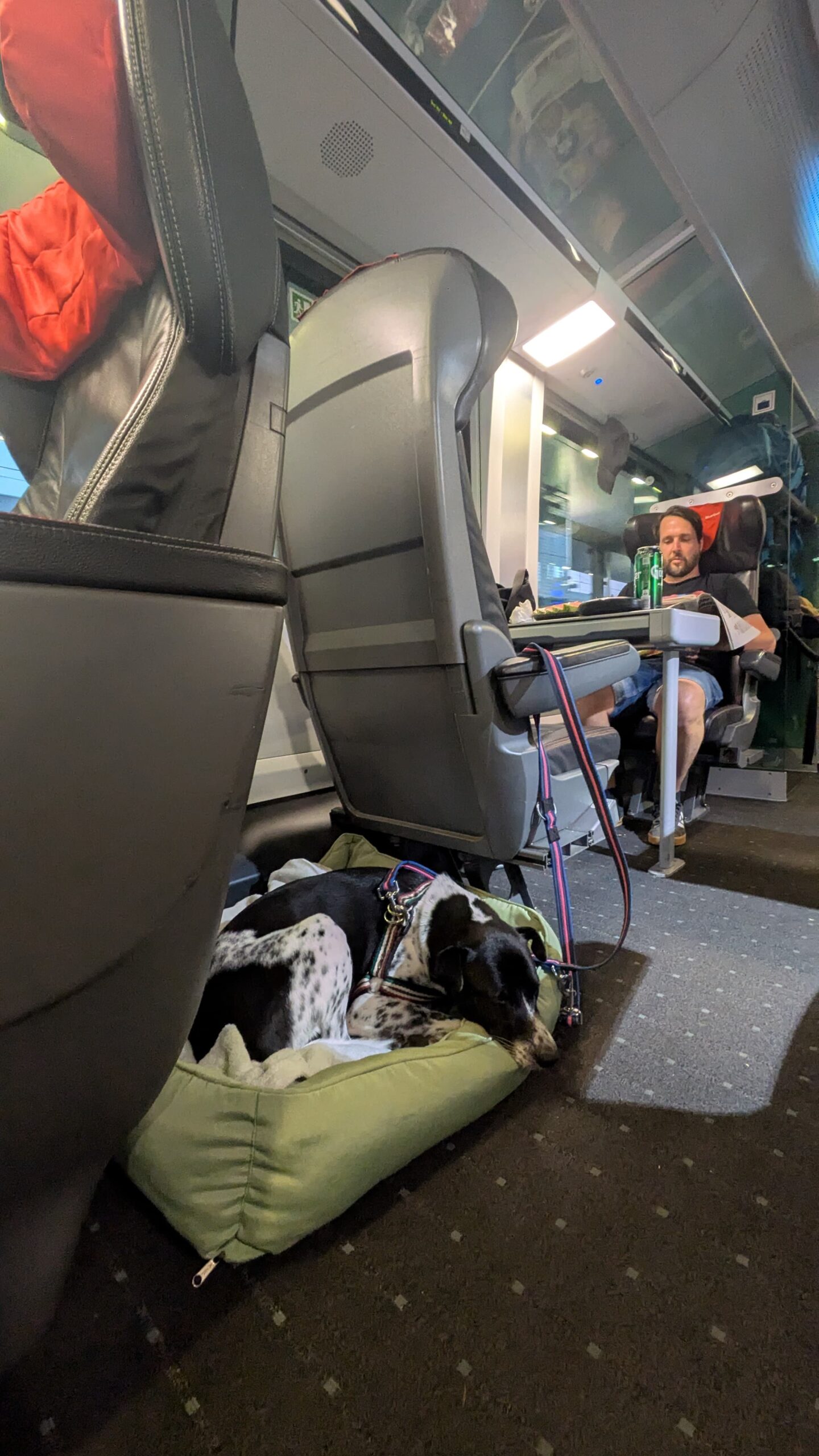
accustomed to train travel 🙂
When train travel becomes faster than planes
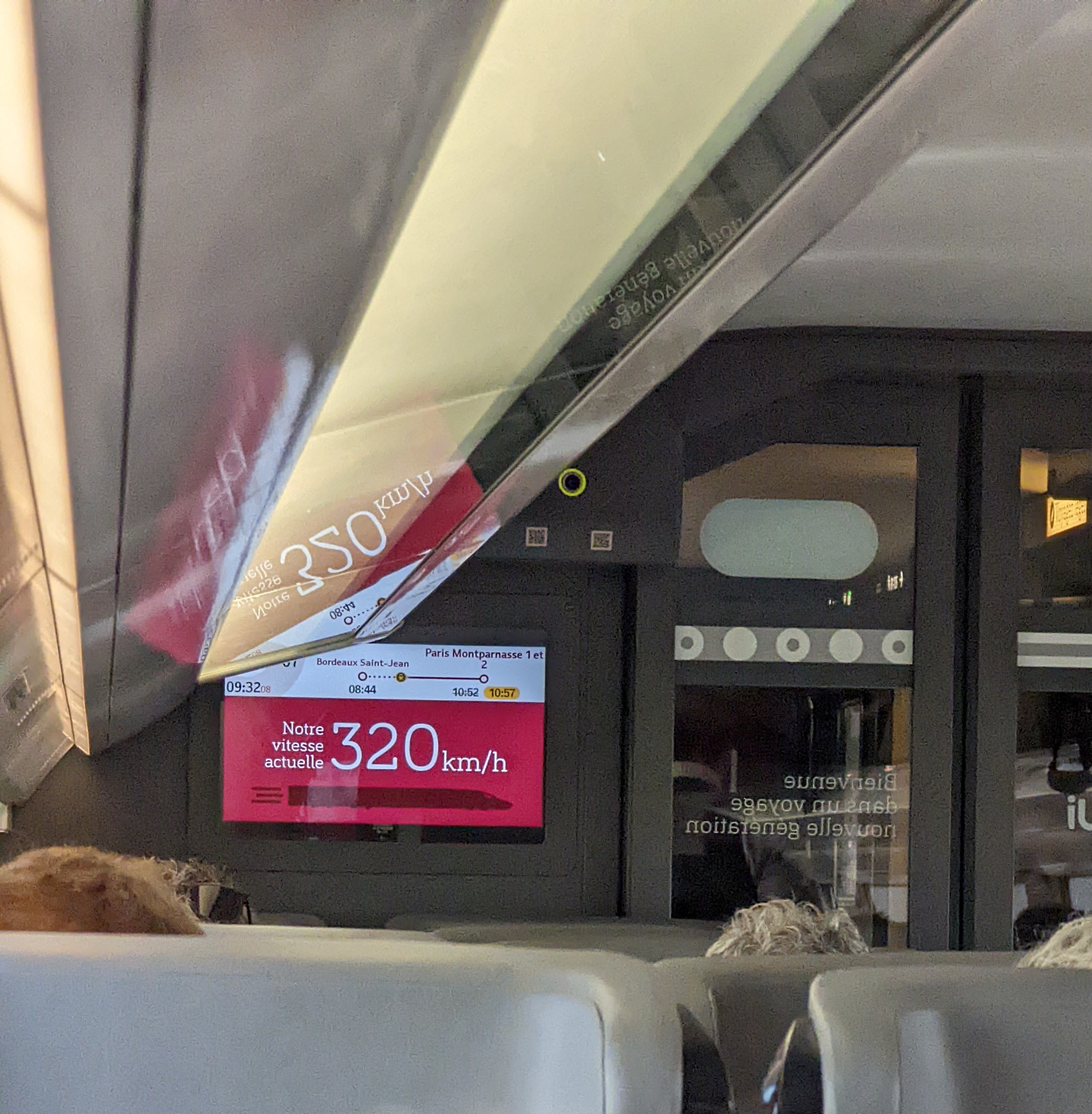
The fastest trains I took in Europe were from Karlsruhe to Marseille and from Barcelona to Madrid which both traveled at around 300 km/h / 190 mph and from Bordeaux to Paris at 320 km/h / 200 mph. The later journey is a good example of how the travel of about 600km / 370 mi, from city center to city center in 2 hr and 4 minutes beats any plane if you include the travel times to and from the airports and the security checks AND is way more convenient (apart from being more environmentally friendly). High speed rail connections on distances like this one could save a lot of flights and therefore emissions. By 2034 a similar long high-speed connection between Madrid and Lisbon will be completed.
Rail Projects from Morocco to the Arabian Gulf Redefine Global Transit
Not too far from Lisbon at the Strait of Gibraltar an underwater tunnel rail link between Europe and Africa has been on the table for a long time. So far only feasibility studies are being conducted and the project is still in the planning phase. I remember standing in the cute Spanish town of Tarifa, where I had one of the best tapas in my life, seeing the African coast on the other side of the strait and thinking how amazing it would be to have these two continents connected via a bridge.
If a tunnel is considered feasible, Spain, the country with the largest high-speed rail network in Europe could connect via the tunnel to the Moroccan high-speed rail across the strait in Tangier. Morocco is so far the only country in North Africa which is operating a high speed rail line but Egypt is in the process of building 2,000 km / 1,200 mi of high-speed rail connecting 60 cities! And further east at the Persian Gulf, Kuwait, Bahrain, Qatar, Saudi Arabia, UAE and Oman are working on a joint railway about 1,350 mi / 2,200 km long which will run at a speed of 220 km/h /137 mph and is scheduled for completion in 2030. Saudi Arabia is also currently building and upgrading over 1,400 km / 870 mi of rail across the Arabian peninsula connecting the Red Sea and the Persian Gulf in their “Land Bridge” project, slashing the travel time from 12 hours in car to under 4 hours in train by 2030. Trains will travel at a speed of 200 km/h / 125 mph. In Jeddah passengers will be able to board the high speed train which is already connecting Mecca and Medina at a speed of 300 km/h / 190 mph.

Hanoi’s Two-Wheeled Revolution: Embracing Electric Bikes for a Cleaner Future
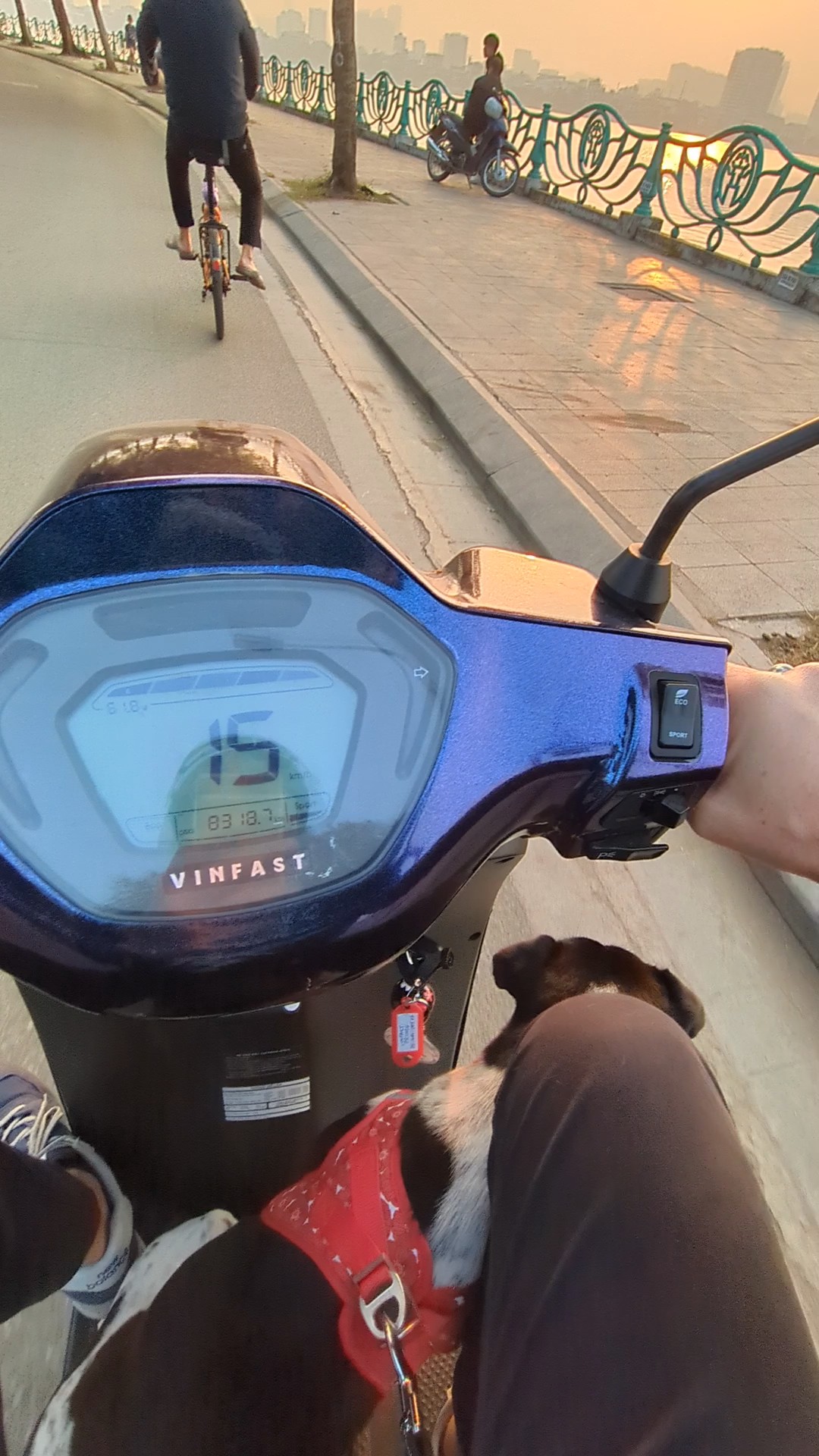
I planned on traveling by train in Vietnam, but things turned out differently and I missed out on it. When we were living in Hanoi for about 4 months, it would have been almost impossible not to have a motorbike. Often the sidewalks are non-existent or parked with motorbikes and the public transport was not sufficient either. The city, with a population of almost 9 million, had in 2023 only one metro line completed. The air pollution in Hanoi could get really bad (among the worst in the world) and it was therefore crystal clear to me that I didn’t want to contribute to it with another gasoline motorbike since there were already over 6 million motorbikes in the city. So we rented electric Vespa-style motorbikes and really came to love riding them.
In Hanoi you do see way more electric motorbikes than in any other place I have been to in recent years. The city plans to ban gasoline motorbikes from parts of the center, in an area within the ring road 1, from July 2026 onwards and then extend the gasoline free motorbike area to the entire area within ring road 1 by 2029. Effectively making a large part of Hanoi accessible only with electric motorbikes. I am sure this will immensely improve the living quality of the 600,000 Hanoians living in this area and I wish this was already implemented in 2023 when we were living in Tây Hồ, which lies within ring road 1.
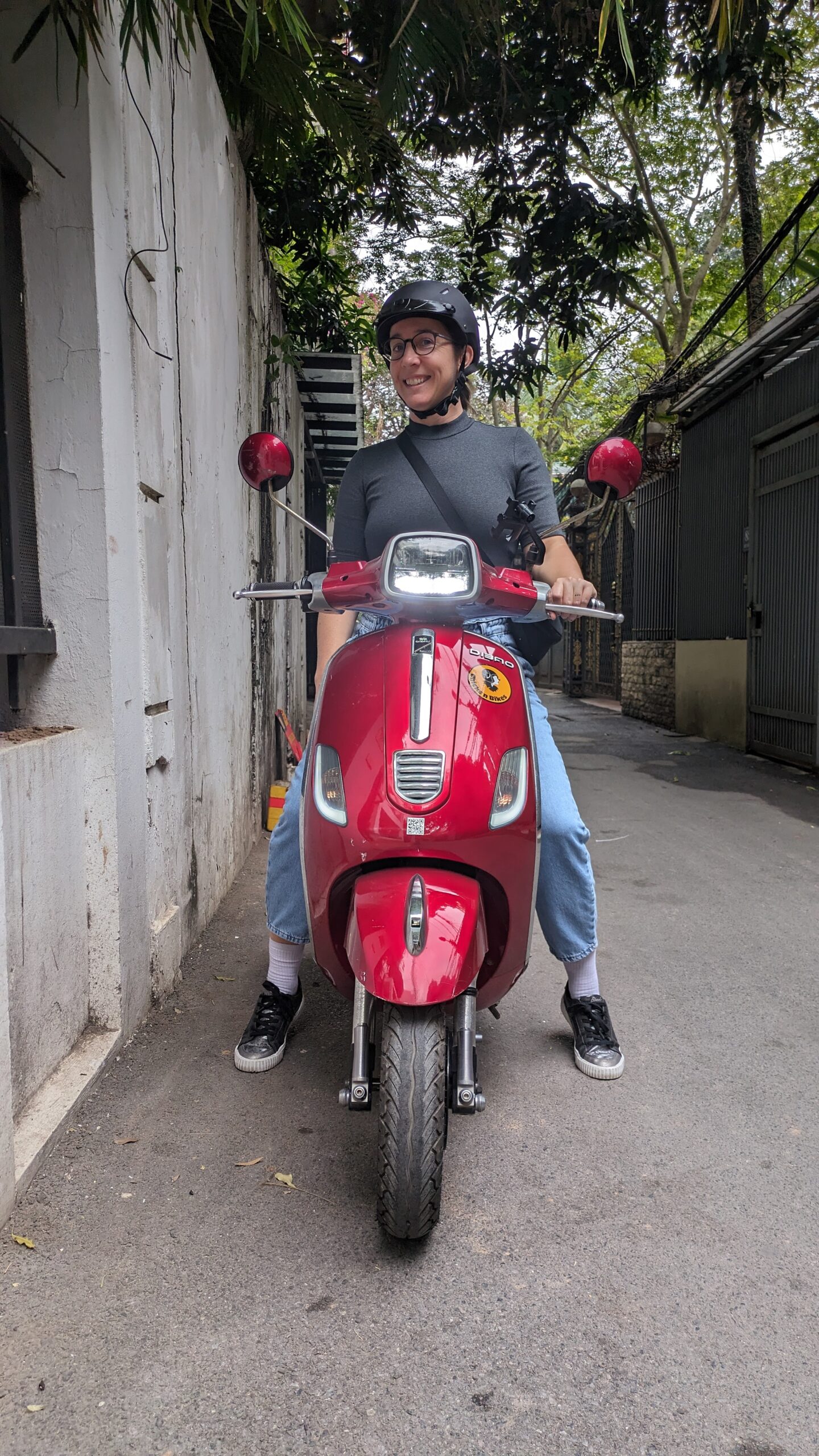
After our stay in Vietnam it was kind of clear to me that sooner or later I will purchase an electric motorbike myself. I love cycling, but sometimes you just don’t have the energy or time to drive a long way on a cycle or even back and forth and if the public transport connection is not ideal an electric motorbike comes in really handy.
Quiet Rides, Easy Charging, and a Clear Conscience in Vienna
I’m very happy to have bought an electric motorbike now in Vienna and to be able to travel with 100% renewable energy and create zero air and noise pollution. I can only recommend it to everyone. It’s a pleasant, quiet way to travel in and in the surroundings of a city and it’s such a good feeling to know you’re doing something positive for the planet and you make a little contribution to reduce global warming. We also enjoy being able to have a conversation when traveling together on it, since the engine is basically silent and it’s therefore fun to talk during a ride. The price is about the same as the similar fast gasoline powered Vespa. It has a top speed of 100 km/h / 62 mph and a range of about 120 km /74 mi, which is more than enough for many trips before I need to charge it again. I can charge it at one of the many public charging stations in Vienna or remove the battery and charge it in my apartment. It can be fully charged within 2.5 hours.
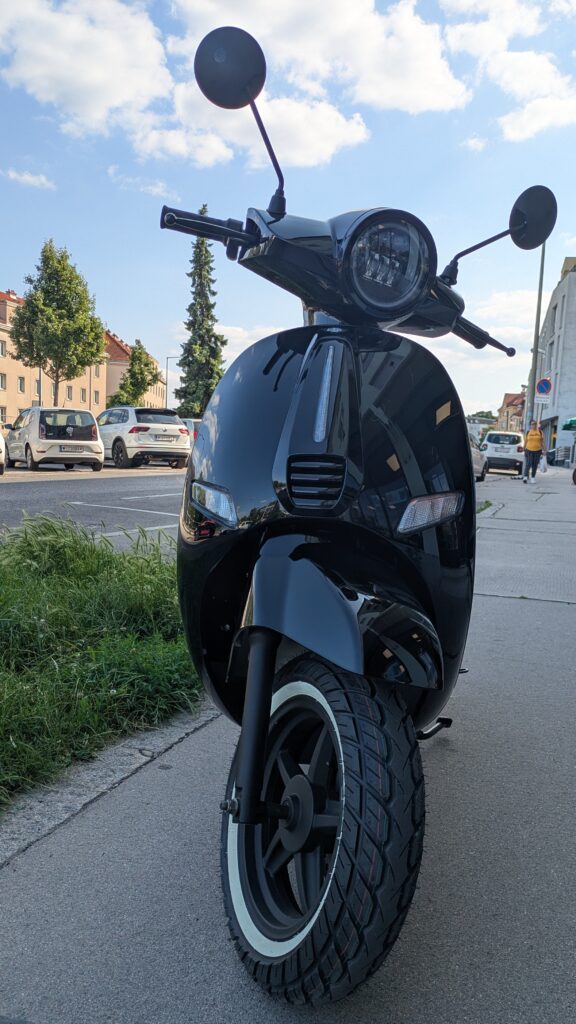
I couldn’t be happier with my bike
From Mega-Projects to Motorbikes: A Global View Shows Positive Climate Action is Happening Everywhere
It’s often argued that nothing is happening “on the other side of the world” that’s good for the climate, and therefore it makes no difference if we do something “here”. But that’s not the case. On the contrary, in our travels we noticed that something positive is being done everywhere, and even if you as an individual can’t build a railway line from one ocean to the other, everyone can do their own little bit to reduce global warming and pollution.